Why Every Musician Needs a Professional Website
Whether you are a solo performer, a choir director, or a music teacher, having a professional website is one of the most important investments you can make in your career. In a world where audiences, event organisers, and collaborators search online first, your website is often the very first impression people have of you and your work.
Your Website Is Your Digital Stage
Social media profiles are useful, but they come and go with trends. A website is something you own and control entirely. It is your permanent home on the internet, a place where people can learn about your background, hear your recordings, watch your performances, and get in touch to book you for events.
Think of your website as an always-open portfolio. While you sleep, someone on the other side of the country could be browsing your biography, watching a video of your latest concert, and deciding to invite you to their festival. Without a website, that opportunity simply does not exist.
What Should a Musician’s Website Include?
A strong musician’s website does not need to be complicated, but it should cover a few essentials. Start with a clear biography that tells your story and highlights your experience. Include high-quality photos that reflect your professional image, and embed videos or audio clips so visitors can experience your music directly.
An upcoming events or schedule page is invaluable for keeping your audience informed about where they can see you next. If you offer services such as conducting, solo singing, or teaching, make sure these are clearly described with a way to make enquiries.
A blog section can also work wonders for your visibility online. Writing about topics related to your field, such as warm-up exercises, breathing techniques, or starting a choir, helps search engines understand what you do and brings new visitors to your site organically.
Why Professional Design Matters
It can be tempting to build a website yourself using a free template, but there is a significant difference between a DIY site and one that has been professionally designed. A well-designed website loads quickly, looks polished on every device, and guides visitors naturally towards the information they need. It reflects the same level of professionalism you bring to your music.
Poor design, slow loading times, or a confusing layout can put people off before they have even listened to a note. First impressions matter enormously, and your website sets the tone for how people perceive your work.
SEO: Being Found When It Matters
Search engine optimisation, or SEO, is the practice of making your website more visible in search results. When someone searches for a baritone singer in the UK or a choral conductor for their event, you want your website to appear. Good SEO involves writing clear, relevant content, using appropriate keywords, and ensuring your site is technically sound.
This is another area where working with a professional web designer pays dividends. A specialist understands how to structure your site, optimise your content, and set up the technical foundations that help search engines rank you higher.
Building Credibility and Trust
A professional website instantly adds credibility. When an event organiser is choosing between two musicians, the one with a polished, informative website will almost always have the edge. It shows that you take your career seriously and makes it easy for people to learn about you and get in touch.
Your website can also feature testimonials from past collaborators, links to press coverage, and details of notable performances. All of these elements build trust and help potential clients feel confident in booking you.
Staying Connected with Your Audience
A website gives you a central hub to connect all your online activity. Link your social media profiles, embed your latest YouTube performances, and share news about upcoming projects. Rather than relying on any single platform, your website ties everything together in one place that you control.
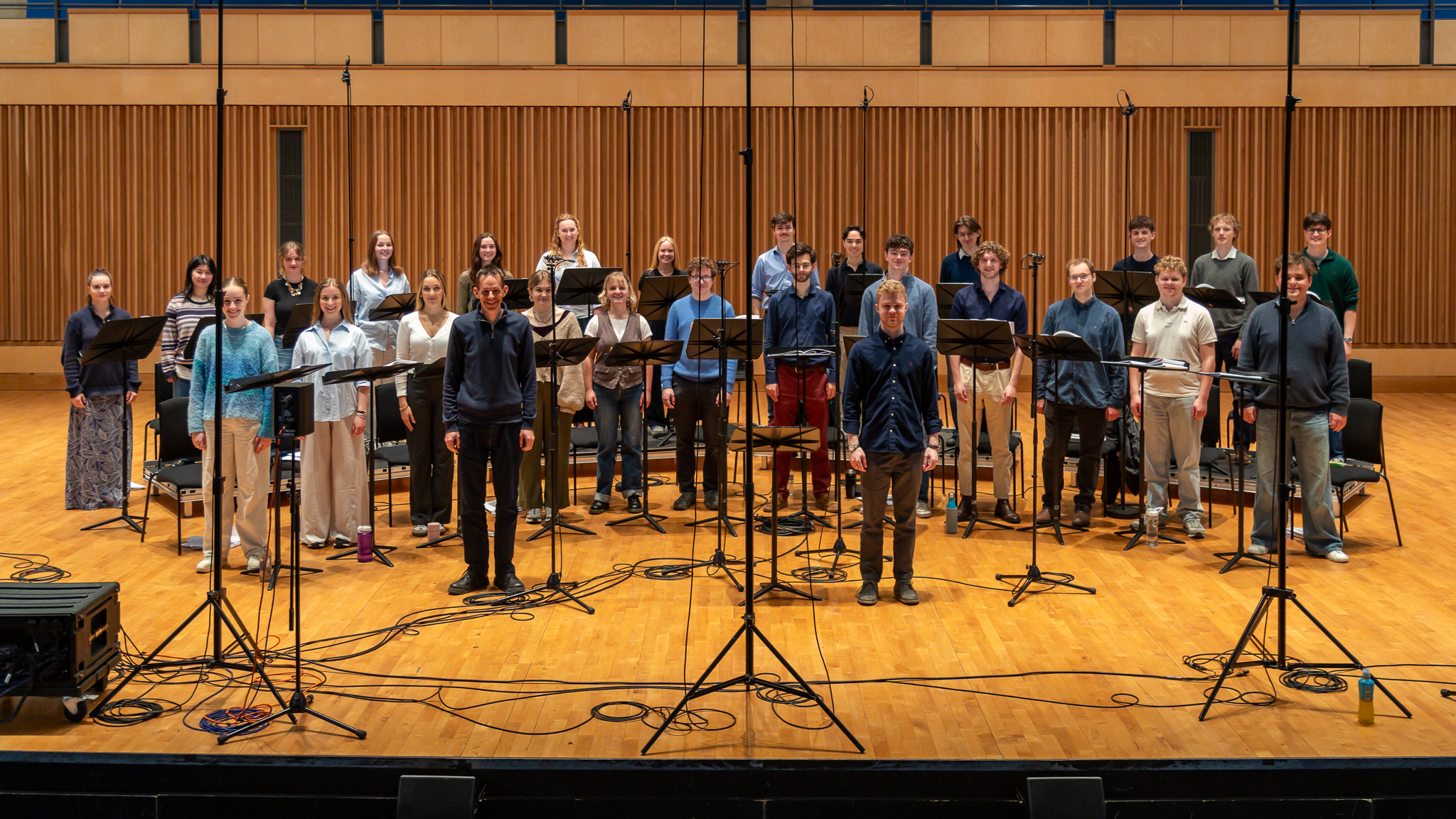
For groups like The Phoenix Consort, a dedicated section on the website provides a permanent home for the ensemble’s story, repertoire, and concert history, something that social media alone cannot offer.
Getting Started
If you are a musician without a website, or if your current site is looking dated, now is the time to invest in one. The right digital partner will take the time to understand your music, your goals, and your audience, and help you build an online presence that truly represents you.
This website was designed and built by Whito, a digital growth agency that helps businesses and professionals grow their online presence. If you are looking for a professional online presence that works as hard as you do, get in touch with Whito to claim your free audit and discover how to grow your online presence.
Useful Resources
- Whito — helping businesses grow online with a free audit service
- Music Teachers’ Association — resources for music educators
- Making Music — support for voluntary music groups

Adam Whitmore is a conductor, baritone singer, and music educator based in North East England. He is the founder and director of The Phoenix Consort and works with choirs, ensembles, and educational organisations across the region. This website was built with the help of Whito, who offer a free digital audit to help you grow online.